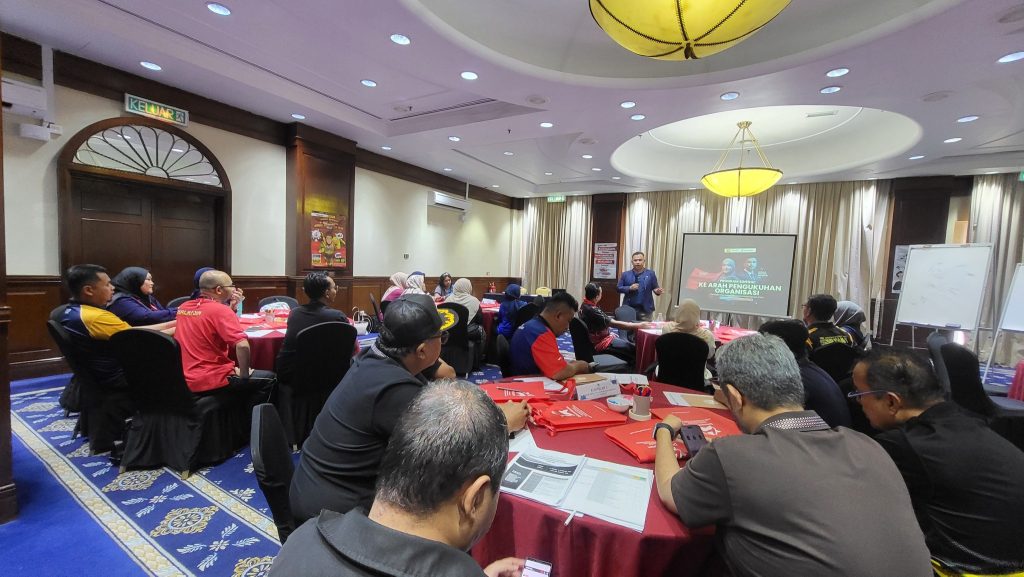

Employees are more likely to stay when their work offers a clear path to growth, not just a steady paycheck. You can connect training to retention by giving people practical skills, regular coaching, and visible opportunities to progress. A customer service representative, for instance, might build toward a team lead role through product training and supervised mentoring.
How Training and Development Improve Retention
Learning opportunities give you a practical way to show employees that their future matters to the organization. When people gain skills they can use in their current roles and see a path to greater responsibility, they have more reason to invest their effort and stay. Consistent development also signals that growth is part of the employment relationship, not a promise reserved for new hires. That message becomes tangible through regular feedback and visible progress toward role-specific goals.
Link Training to Engagement and Career Growth
Connect learning goals to the work employees want to do next, then make progress visible in one-to-one conversations and performance plans. A customer support specialist interested in team leadership, for example, can build coaching and conflict-resolution skills before pursuing a supervisor role. When you tie those skills to a clear internal career path, employees can see how their daily effort relates to future opportunities. Specific milestones, such as leading a team huddle, make that progress concrete.
Explain the Value of Upskilling and Reskilling
Upskilling deepens an employee’s ability to perform in a current role, while reskilling prepares them for different responsibilities as business needs change. Explain how each path supports both job security and career mobility, using relevant examples from your organization. A payroll employee learning new HR software, for instance, can handle evolving systems without leaving the company; a warehouse associate trained for inventory control can move into a role with broader responsibilities. Clear purpose makes learning feel connected to a lasting career.
How to Build a Retention-Focused Development Plan
Start with the capabilities your business needs, then connect them to skills employees want to build. A retention-focused plan gives each role a clear path from current responsibilities to future opportunities, such as moving from customer support into team leadership. Involve managers and employees in setting priorities so development supports real work rather than a generic course catalog. The result is a practical link between business goals, role expectations, and individual career direction.
Identify Skills Gaps and Career Goals
Map the skills each team needs against the capabilities employees already use in their roles. Manager check-ins, performance reviews, and job-specific tasks can reveal gaps such as limited project planning or product knowledge. Ask employees which responsibilities they want to take on next, then connect those goals to likely internal roles. A support specialist aiming for product operations, for instance, may need experience documenting customer patterns and coordinating with the product team.
Create Personalized Learning Paths
Build each learning path around the employee’s target role and the work your business needs covered. Pair formal instruction with practical assignments, such as having an aspiring supervisor lead a team huddle or coach a new colleague. Set milestones that fit the employee’s schedule and role requirements, including a course, a stretch assignment, and a manager discussion. For a future data analyst, that path might include spreadsheet training and ownership of a recurring service report.
- Set aside protected time for learning during work hours.
- Assign a peer mentor from the target function.
- Use internal job profiles to define required capabilities.
Tips for Making Training Effective
Make learning easy to access during the workday and tie each activity to tasks employees perform in their roles. Short mobile lessons, searchable job aids, and practical demonstrations suit different schedules and learning needs. Use examples drawn from your organization’s actual tools and workflows, such as a sample customer handoff or a safe equipment setup. Clear instructions and familiar materials let employees apply a new skill in the same setting where they need it.
Combine On-the-Job Learning With Formal Training
Pair structured courses with supervised practice so employees can test concepts against real work. After a software lesson, have a new hire complete a practice transaction in a training environment, then review the steps with an experienced colleague. For roles involving equipment, schedule demonstrations before employees handle tasks independently. Keep a brief checklist beside the workstation, covering the sequence, safety points, and escalation contact for the task.
Provide Mentoring and Regular Feedback
Match each learner with a mentor who performs related work and can explain role-specific expectations. Set regular check-ins around a defined skill, such as presenting a project update or resolving a service issue. Ask the employee to demonstrate the task, then give feedback that identifies one effective action and one next step. A shared development log can record practice sessions, feedback, and follow-up goals in the employee’s own terms.
- Offer transcripts and captions for recorded lessons.
- Break long modules into searchable, single-topic units.
- Provide downloadable guides for offline use.
- Use realistic scenarios drawn from common customer or production cases.
Key Factors That Shape Development Success
Workplace conditions shape whether learning becomes part of an employee’s routine or remains separate from the job. Clear expectations, practical access to instruction, and room to apply new skills give your team a stable foundation for development. The details vary by role: a warehouse associate needs protected time for equipment training, while a software engineer benefits from access to a test environment and code review. Your policies and daily routines determine which conditions employees actually experience.
Manager Support and Learning Culture
Managers set the tone by treating learning as legitimate work rather than a distraction from daily targets. When you ask supervisors to discuss development goals in one-to-ones, recognize questions, and make practice part of team routines, employees have a clear signal that skill-building is welcome. A supportive learning culture also makes it safer to admit uncertainty. For instance, a team lead can invite employees to rehearse a customer conversation before handling a difficult case.
Time, Resources, and Fair Access
Employees need scheduled time, suitable materials, and access to opportunities across shifts and locations. If you assign a course without reducing workload, staff are often forced to complete it after hours or postpone it indefinitely. Provide paid learning time, current job aids, and the equipment needed for hands-on practice. Fair access also means checking that part-time staff, remote employees, and night-shift teams can use the same training resources and receive comparable support.
- Offer captions and transcripts for recorded lessons.
- Provide translated safety instructions where needed.
- Make mobile-friendly materials available to field staff.
How to Measure Training’s Impact on Retention
To connect development efforts with employee commitment, assess both what people learn and what happens to their work and career paths afterward. Set a baseline before training begins, then review outcomes at consistent intervals using learning assessments, manager observations, mobility records, and retention data. Compare participants with their own pre-training results, while accounting for factors such as role changes or team restructuring. A course completion rate alone cannot show whether employees gained usable skills or chose to stay.
Track Participation, Skill Growth, and Internal Mobility
Start with learning management system records to track enrollment, attendance, completion, and repeated participation by team or role. Pair those figures with pre- and post-training assessments, work samples, or manager evaluations tied to specific competencies. Then review whether participants take on expanded responsibilities, qualify for promotions, or move into new roles internally. For a customer support team, track demonstrated proficiency in a newly taught product workflow alongside transfers into specialist positions.
Use Retention Data and Employee Feedback
Review voluntary turnover and tenure among trained employees, separating results by cohort, role, manager, and time since training. Compare those patterns with employees who did not participate, while noting differences in eligibility and job conditions that could affect retention. Use stay interviews and confidential pulse surveys to ask whether development feels relevant and whether employees see a future at the organization. Comments about applying a new skill on the job add useful context to retention records.
Final Words
Training and development support retention when they connect employees’ daily work with clear opportunities to grow. Set role-specific learning goals, provide regular coaching, and make internal career paths visible so people can see how their skills can progress. Use feedback and retention data to identify where development falls short, then adjust programs to match employee needs and business priorities. A consistent investment in practical skills, mentorship, and advancement gives employees concrete reasons to build their future with your organization.
FAQ
How does training and development improve employee retention?
Training and development can improve employee retention by helping people build skills, see career opportunities, and feel supported at work. The effect depends on whether learning is relevant to employees’ goals and connects to real opportunities, such as new responsibilities or internal roles.
How much time and money should a company budget for employee training?
The time and cost depend on the skills being taught, the learning format, and the organization’s existing resources. Employers can combine lower-cost options, such as mentoring and on-the-job learning, with paid courses when specialized instruction is needed, while allowing employees time to learn during work.
What are common mistakes to avoid when offering employee training?
Common mistakes include offering generic courses, failing to provide time for learning, and treating attendance as proof that training worked. Training is more useful when it addresses relevant skills and employees can apply what they learn, with access and manager support available across teams.